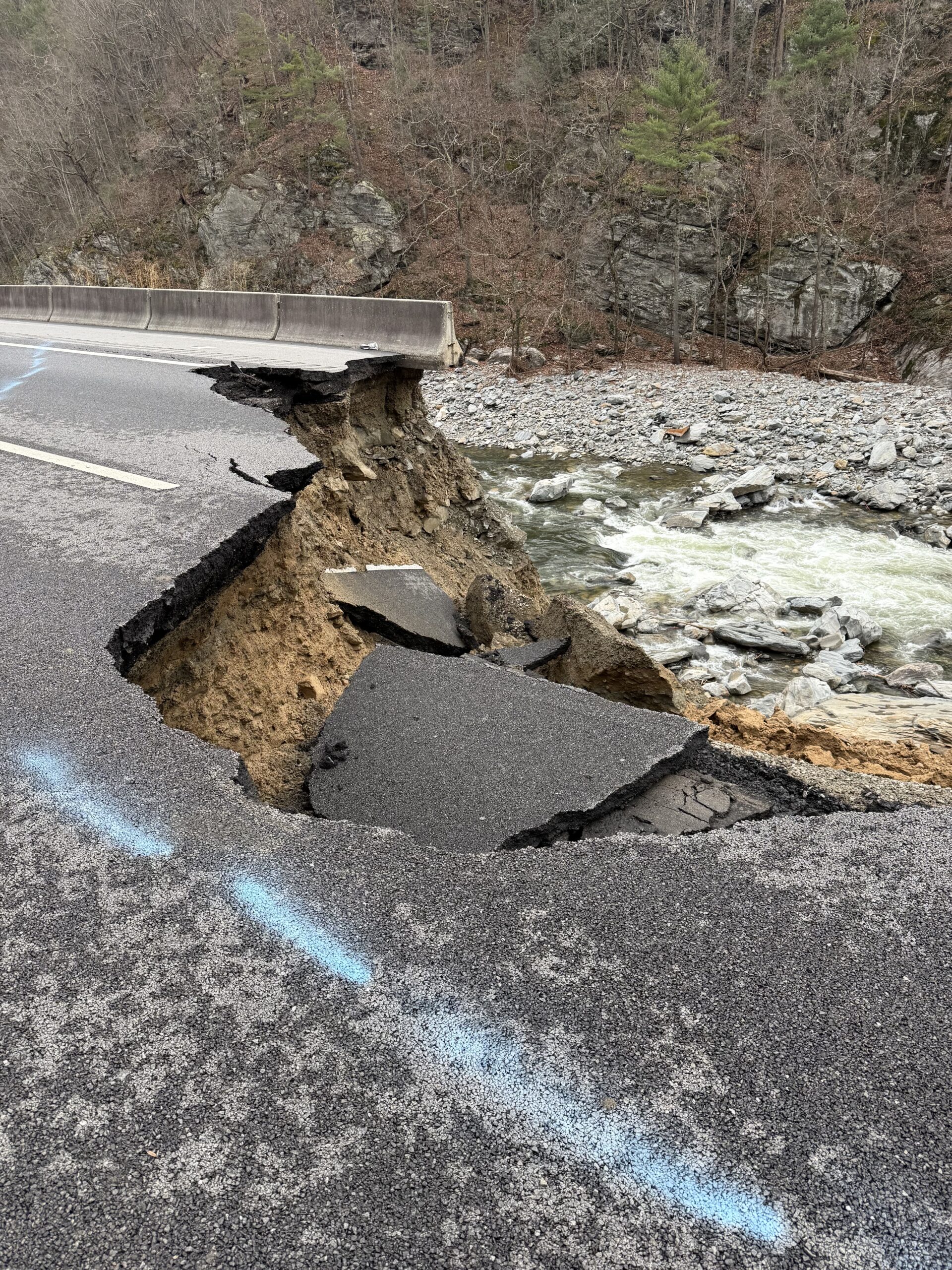

Rockfall is one of the most immediate and unpredictable hazards affecting transportation corridors, utilities, and facilities located below steep or exposed rock slopes. Unlike slow-moving instability, rockfall can occur suddenly, often with little warning, and may range from frequent nuisance rockfall to high-energy impacts capable of causing serious damage or injury. Even smaller events can disrupt operations through lane restrictions, cleanup cycles, and unplanned closures, especially in narrow or high-traffic corridors.
Rockfall risk rarely remains constant over time. Weathering, freeze–thaw cycles, erosion, and vibration can gradually weaken rock faces, increasing both the likelihood and severity of events. In many cases, risk escalates when loose material remains untreated, when slope movement begins within the rock mass, or when existing ditches and shoulders no longer provide adequate catchment.
Explore the rockfall-related conditions below to better understand common failure drivers, warning signs, and engineered mitigation approaches, including loose rock on slopes, rock slope stability concerns, and insufficient rockfall catchment in space-constrained environments.
Concerned about rockfall along your roadway, rail line, or facility? Share a few details about site conditions, access constraints, and any recent rockfall activity, and our team will help identify the right next step for evaluation and mitigation.